
Television viewing has undergone a significant transformation with the advent of IPTV, revolutionizing how we consume media. IPTV, or Internet Protocol Television, delivers television services over the internet, providing a more flexible and personalized viewing experience.
In South Africa, IPTV is gaining popularity as a modern alternative to traditional TV broadcasting, offering a wide range of channels and on-demand content. With IPTV South Africa, viewers can enjoy their favorite shows and movies with greater convenience and flexibility.
The following guide will explore the basics, benefits, and technical aspects of IPTV, helping you understand how it works and how you can make the most of this innovative technology.
Key Takeaways
- IPTV delivers television services over the internet.
- Offers a more flexible and personalized viewing experience.
- IPTV is gaining popularity in South Africa.
- Provides a wide range of channels and on-demand content.
- A modern alternative to traditional TV broadcasting.
What Is IPTV? The Complete Technology Breakdown
As we dive into the world of IPTV, it’s essential to understand what this technology is all about. IPTV, or Internet Protocol Television, is a technology that allows users to stream television content over the internet. This method of content delivery has gained popularity due to its flexibility and potential for a more personalized viewing experience.
The Definition and Basic Concept of IPTV
IPTV delivers television content through internet protocols, unlike traditional broadcast methods. This means that users can access a wide range of channels and on-demand content using a stable internet connection. The basic concept revolves around using the internet to deliver TV content, making it a more versatile option compared to conventional broadcasting.
The IPTV service typically includes a variety of channels, video on demand (VOD), and sometimes additional features like catch-up TV. Users can access this content through various devices, including smart TVs, computers, and mobile devices, provided they have a stable internet connection.
How IPTV Differs from Traditional Television
One of the primary differences between IPTV and traditional television is the method of content delivery. Traditional TV uses satellite or cable signals, whereas IPTV relies on internet protocol. This difference allows IPTV to offer more interactive features and a more personalized viewing experience.
IPTV also provides the advantage of video on demand, allowing users to watch content at their convenience, rather than adhering to a broadcast schedule. This flexibility is a significant draw for many users who value the ability to control their viewing experience.
The Evolution of Television Technology
Television technology has undergone significant changes over the years, from the early days of broadcast television to the current era of streaming services. IPTV represents a significant milestone in this evolution, offering a more interactive and user-centric approach to television viewing.
The development of IPTV has been driven by advancements in internet technology and the increasing demand for on-demand content. As internet speeds continue to improve, IPTV services are becoming more viable and attractive to consumers worldwide.
How IPTV Works: Technical Infrastructure and Delivery
IPTV technology has revolutionized the way we consume television, offering a more flexible and personalized viewing experience. At its core, IPTV relies on a complex interplay of technical components to deliver content to viewers.
The Network Infrastructure Behind IPTV
The IPTV infrastructure is built around a robust network that enables the delivery of high-quality video content. This involves a combination of fiber-optic cables, broadband internet, and IP (Internet Protocol) networks. The infrastructure is designed to handle high-bandwidth requirements, ensuring smooth streaming and minimal buffering.
Streaming Protocols and Data Transmission
IPTV uses various streaming protocols such as UDP (User Datagram Protocol) and RTP (Real-time Transport Protocol) to transmit data. These protocols are chosen for their ability to handle real-time data transmission, which is critical for live television and other time-sensitive content.
Content Delivery Networks (CDNs)
Content Delivery Networks (CDNs) play a crucial role in the IPTV ecosystem by caching content at multiple locations around the world. This reduces latency and improves the overall viewing experience by ensuring that content is delivered quickly and efficiently.
| Technical Component | Function |
|---|---|
| Network Infrastructure | Delivers high-quality video content |
| Streaming Protocols | Enable real-time data transmission |
| Content Delivery Networks (CDNs) | Cache content to reduce latency |
In conclusion, the technical infrastructure and delivery mechanisms of IPTV are designed to provide a seamless and high-quality viewing experience. By leveraging advanced network infrastructure, streaming protocols, and CDNs, IPTV services can offer a wide range of content to viewers worldwide.
The Main Types of IPTV Services Available Today
The IPTV landscape is diverse, offering various services that cater to different viewer preferences. IPTV services have transformed the way people consume television, providing flexibility and a range of viewing options. In this section, we will explore the main types of IPTV services available, including Video on Demand, live broadcasting, time-shifted media, and interactive features.
Video on Demand (VOD) Services
Video on Demand services allow users to select and watch content at their convenience. VOD services provide access to a vast library of movies, TV shows, and documentaries. Viewers can pause, rewind, or fast-forward through content, offering a personalized viewing experience. Popular VOD services include Netflix and Amazon Prime Video.
Live IPTV Broadcasting
Live IPTV broadcasting delivers real-time television programming over the internet. This service is ideal for watching live events, news, and sports. Live IPTV allows viewers to access a wide range of channels, including local and international broadcasts. It offers the advantage of watching television in real-time without the need for traditional broadcast equipment.
Time-Shifted Media and Catch-Up TV
Time-shifted media and catch-up TV services enable viewers to watch previously aired content at a later time. This feature is particularly useful for viewers who miss their favorite shows or want to watch content on their own schedule. Catch-up TV is a convenient option that allows viewers to access content from the past, usually within a limited timeframe.
Interactive IPTV Features
Interactive IPTV features enhance the viewing experience by allowing viewers to engage with the content. These features may include interactive guides, voting, and gaming. Interactive IPTV enables a more immersive experience, making television viewing more engaging and participatory.
| IPTV Service Type | Description | Key Features |
|---|---|---|
| Video on Demand (VOD) | Access to a library of content for on-demand viewing | Pause, rewind, fast-forward; personalized viewing |
| Live IPTV Broadcasting | Real-time television programming over the internet | Live events, news, sports; wide range of channels |
| Time-Shifted Media and Catch-Up TV | Watch previously aired content at a later time | Convenient access to past content; flexible viewing |
| Interactive IPTV Features | Enhanced viewing experience with interactive elements | Interactive guides, voting, gaming; immersive experience |
Key Benefits of Using IPTV Services
The shift towards IPTV services is revolutionizing the way we consume television, offering a plethora of benefits that traditional TV services can’t match. As viewers increasingly demand more flexibility and personalization in their viewing experiences, IPTV stands out as a superior choice.
Enhanced Viewing Experience and Picture Quality
One of the standout benefits of IPTV is its ability to deliver high-quality video and audio. With IPTV, viewers can enjoy content in high definition (HD) or even 4K resolution, significantly enhancing the viewing experience. As noted by a leading industry expert,
“The quality of IPTV is unparalleled, offering viewers a cinematic experience from the comfort of their homes.”
Flexibility and Multi-Device Compatibility
IPTV services offer unparalleled flexibility, allowing users to watch their favorite shows and movies on a variety of devices, including smartphones, tablets, smart TVs, and computers. This multi-device compatibility ensures that viewers are not tethered to a specific location or device, making it easier to stay entertained on the go.
Cost-Effectiveness Compared to Cable and Satellite
Another significant advantage of IPTV is its cost-effectiveness. By cutting out the middleman and delivering content directly over the internet, IPTV providers can offer competitive pricing models that often undercut traditional cable and satellite TV services. This aspect is particularly appealing to budget-conscious viewers who do not want to compromise on content quality.
Content Personalization Options
IPTV services also excel in offering content personalization options. Viewers can create customized packages that include their favorite channels and on-demand content, ensuring that they only pay for what they watch. This tailored approach to television viewing is a significant step forward from the one-size-fits-all model of traditional TV services.
IPTV in South Africa: Market Overview and Options
The IPTV market in South Africa is rapidly evolving, offering a range of options for viewers. This growth is driven by the increasing demand for flexible and personalized television viewing experiences.
Popular IPTV Providers in South Africa
Several IPTV providers are popular in South Africa, offering a variety of services to cater to different viewer preferences. Some of the notable providers include OpenTV, IPTV Africa, and Showmax, each offering unique packages and content.
These providers offer a range of channels and on-demand content, competing to provide the best viewing experience. The competition among providers has led to improved services and more options for consumers.
Pricing and Packages Available to South African Viewers
IPTV providers in South Africa offer various pricing models and packages to suit different budgets and viewing preferences. Prices can range from affordable basic packages to premium sports and entertainment bundles.
| Provider | Basic Package | Premium Package |
|---|---|---|
| OpenTV | R 100/month | R 300/month |
| IPTV Africa | R 120/month | R 350/month |
| Showmax | R 150/month | R 400/month |
Internet Requirements for Optimal IPTV Experience
A stable and fast internet connection is crucial for an optimal IPTV experience. In South Africa, viewers need an internet speed of at least 5 Mbps for standard definition and 25 Mbps for high definition streaming.
Internet service providers in South Africa offer various plans that can support IPTV streaming, with some providers offering specialized packages for IPTV services.
South African Content and Channel Availability
IPTV providers in South Africa offer a range of local and international channels, including sports, news, and entertainment. Popular local channels are available, along with international content from major networks.
The availability of local content, including sports and news, is a significant draw for IPTV viewers in South Africa. Providers are continually updating their content offerings to meet viewer demands.
Setting Up Your IPTV System: A Practical Guide
Getting started with IPTV involves understanding the necessary hardware, software, and configuration steps. To enjoy a seamless IPTV experience, it’s crucial to set up your system correctly.
Required Hardware and Compatible Devices
The first step in setting up your IPTV system is to ensure you have the right hardware. This includes a stable internet connection, an IPTV-compatible device (such as a smart TV, set-top box, or mobile device), and sufficient bandwidth to support streaming.
Key hardware components include:
- A reliable router for a stable internet connection
- An IPTV set-top box or a compatible smart TV
- A high-definition TV for optimal viewing experience
Software, Applications, and IPTV Players
Once you have the necessary hardware, you’ll need to install the appropriate software or applications to access IPTV services. This could be an IPTV player app on your smart TV, a mobile app, or software on your computer.
Popular IPTV software and applications include:
- IPTV player apps designed for various devices
- Vendor-specific apps provided by your IPTV service provider
Step-by-Step Setup Guide for Beginners
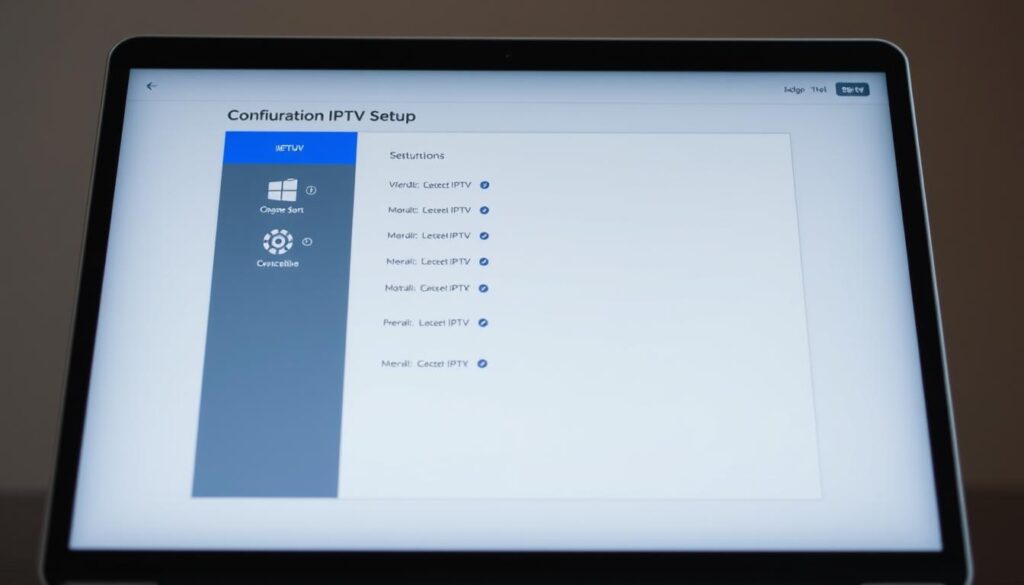
To set up your IPTV system, follow these steps:
- Connect your IPTV device to your TV and ensure it’s powered on.
- Configure your IPTV device by entering the necessary settings provided by your IPTV service provider.
- Connect to your internet network.
- Launch the IPTV app or software and log in with your credentials.
- Browse through the available channels or VOD content and start streaming.
Optimizing Your Network for IPTV Streaming
To ensure a smooth IPTV experience, your network should be optimized for streaming. This involves checking your internet speed, configuring your router for optimal performance, and minimizing other bandwidth-intensive activities while streaming IPTV.
By following these guidelines, you can set up your IPTV system effectively and enjoy a high-quality viewing experience.
Common IPTV Challenges and Troubleshooting
IPTV users often encounter several challenges that can disrupt their viewing experience. These issues can range from buffering problems to connection instability, affecting the overall quality of the service.
Buffering Issues and How to Resolve Them
Buffering is a common issue with IPTV, causing pauses or delays in the video stream. To resolve this, ensure your internet connection is stable and meets the minimum speed requirements for IPTV. You can also try reducing the video quality or checking for any background applications consuming bandwidth.
Tips to reduce buffering:
- Check your internet speed
- Reduce video quality
- Close unnecessary applications
Connection Problems and Solutions
Connection problems can stem from issues with your internet service provider or your home network. Restarting your router or checking for outages in your area can often resolve these issues.
Steps to troubleshoot connection issues:
- Restart your router
- Check for service outages
- Contact your ISP for assistance
Quality and Playback Issues
Quality and playback issues can be due to a variety of factors, including server overload or issues with your device. Ensure your IPTV app is updated and try switching to a different server if possible.
Updating and Maintaining Your IPTV Setup
Regularly updating your IPTV setup is crucial for maintaining a high-quality viewing experience. This includes updating your IPTV app and ensuring your device’s firmware is current.
| Issue | Solution |
|---|---|
| Buffering | Check internet speed, reduce video quality |
| Connection Problems | Restart router, check for outages |
| Quality Issues | Update IPTV app, switch server |
Legal Considerations and Regulations for IPTV Users
IPTV users in South Africa need to navigate a complex legal environment to ensure they are using these services legally. As the popularity of IPTV continues to grow, so does the importance of understanding the legal framework that governs its use.
The legal landscape surrounding IPTV is multifaceted, involving aspects such as copyright law, consumer rights, and the regulations governing the provision of IPTV services. Understanding IPTV legality is crucial for both providers and users to avoid legal repercussions.
Understanding IPTV Legality in South Africa
In South Africa, the legality of IPTV services is governed by various laws and regulations. IPTV providers must comply with the country’s copyright laws, which protect the intellectual property rights of content creators. Users also have a role to play in ensuring they use IPTV services that are licensed and compliant with these laws.
It’s essential for users to be aware of the copyright issues associated with IPTV. Using unlicensed IPTV services can lead to legal consequences, as these services often infringe on copyright laws by distributing content without the necessary permissions.
Copyright Issues and Content Licensing
Copyright issues are a significant concern in the IPTV landscape. Content licensing agreements are crucial for the legal distribution of television programs and movies through IPTV platforms. Providers must obtain the necessary licenses to broadcast content, ensuring that copyright holders are compensated for their work.

Choosing Legal IPTV Services
To avoid legal issues, IPTV users in South Africa should choose services that are compliant with local laws and regulations. Legal IPTV services will have the necessary licenses to provide content, ensuring a safe and legal viewing experience for users.
When selecting an IPTV service, users should look for providers that are transparent about their licensing agreements and compliance with copyright laws. This not only protects the user but also supports the creators of the content they enjoy.
Conclusion: The Future of Television Viewing
The television viewing landscape is undergoing a significant transformation, driven by the growth of IPTV. As discussed, IPTV offers a range of benefits, including enhanced viewing experiences, flexibility, and cost-effectiveness. The technology is revolutionizing the way people consume television content, providing more control and personalization options.
As the IPTV sector continues to evolve, it is likely to shape the future of television viewing. The increasing demand for online streaming services and the advancements in network infrastructure will further drive the adoption of IPTV. This shift is expected to lead to more innovative services and features, enhancing the overall viewing experience.
The future of IPTV looks promising, with potential for continued growth and development. As consumers in South Africa and around the world continue to embrace IPTV, the technology is poised to play a major role in shaping the television viewing landscape. With its many benefits and increasing popularity, IPTV is set to remain a key player in the media industry.